Side Kicks Self Defense: Power, Precision, and Personal Safety
Side kicks self defense is one of the most effective and practical techniques used across many combat systems. Known for its power, reach, and versatility, the side kick can help individuals protect themselves in real-world situations. Whether practiced for fitness, confidence, or personal protection, mastering the side kick offers a strong foundation in self-defense. This technique is widely taught because it allows a defender to maintain distance from an attacker while delivering a strong and controlled strike.
At its core, the side kick focuses on balance, proper body alignment, and explosive force. Unlike front kicks, the side kick uses the heel or blade of the foot, making it ideal for stopping an advancing threat. In side kicks self defense maintaining correct posture is essential. The supporting foot pivots, the hips rotate, and the kicking leg extends in a straight line, ensuring maximum impact with minimal effort. This combination makes the side kick both efficient and powerful for people of different ages and fitness levels.
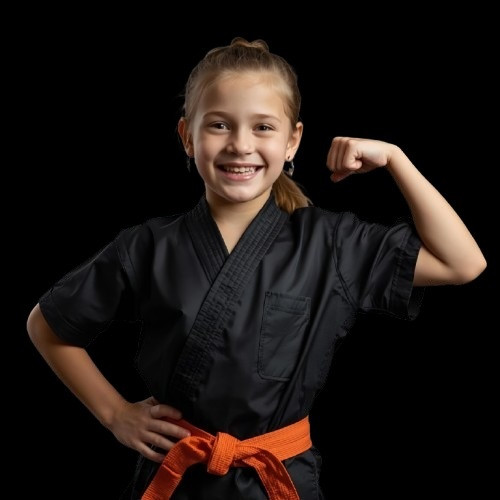
One of the key advantages of side kicks self defense is distance management. Many self-defense situations require creating space between you and an aggressor, and the side kick excels at this. Because the leg is longer than the arm, the side kick allows defenders to strike from a safer range. This is especially helpful when facing a larger or stronger opponent. Training environments that focus on situational awareness often emphasize this technique as a first line of defense before physical confrontation escalates further.
Side kicks self defense is not only about physical strength but also about mental readiness. Practicing this technique builds confidence, discipline, and focus. During training, students learn when and how to apply a side kick effectively, rather than relying on brute force. Many people begin their journey by searching for martial arts near me because structured training helps them understand the importance of timing, accuracy, and control in real-life defense scenarios. These lessons go beyond kicks and strikes, shaping a calmer and more alert mindset.
Another benefit of side kicks self defense is adaptability. The technique can be modified for different situations, such as targeting the knee, midsection, or hip of an attacker. This flexibility makes it suitable for self-defense rather than competitive fighting alone. Instructors often teach variations to accommodate different body types and mobility levels. This ensures that anyone, regardless of experience, can learn how to apply the side kick effectively and safely.
Physical conditioning is another major advantage gained through side kicks self defense training. Repeated practice improves leg strength, core stability, balance, and flexibility. These physical benefits also translate into everyday activities, reducing the risk of injury and improving overall fitness. Regular training sessions help practitioners develop muscle memory, making the side kick a natural response during stressful situations. Over time, consistent practice builds endurance and sharpens reflexes.
Side kicks self defense also plays an important role in personal empowerment. Learning how to protect oneself can significantly boost self-esteem and independence. Many individuals, including beginners, find that training gives them a sense of control over their personal safety. This empowerment often leads people to explore further techniques and disciplines after starting with basic kicks. As confidence grows, practitioners become more aware of their surroundings and better prepared to avoid danger altogether.
In conclusion, side kicks self defense is a highly effective technique that combines power, distance, and control. It is suitable for beginners and experienced practitioners alike, offering both physical and mental benefits. From improving fitness to enhancing personal safety, the side kick remains a cornerstone of practical self-defense training. With proper instruction, dedication, and awareness, anyone can learn to use this technique confidently and responsibly in real-life situations.
Comments
Post a Comment